Melasma
Before we start
I am not a dermatologist. I am a melasma patient and a social scientist interested in evidence-based recommendations - that is, recommendations supported by rigorous research. I have tried to collect all the information on this website from respected sources and use simple language.
**If you find any mistakes or jargon on this website, please reach out - I will fix them.**
What is melasma?
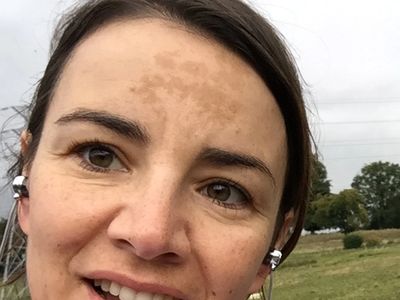
Melasma - also known as ‘chloasma’, 'hyperpigmentation', ‘mask of pregnancy’ or ’sun moustache’ - is a skin condition in which dark patches develop on the cheeks, forehead, nose, and upper lip. Melasma is not cancerous, and it is not contagious. You can read more about it on the British Skin Foundation webpage.
The name melasma comes from melas, the Greek word for black or dark.
Who is affected by melasma?
Melasma is more common in women, but it can also affect men. It is difficult to estimate how many people have melasma. According to a 2017 review, the prevalence of melasma in the general population is 1% (1 in 100 people will have melasma at some point in their lives). However, the prevalence can be much higher in certain populations, depending on skin type, ethnicity and whether you live in a sunny location! See, for example, this 2014 paper. Melasma is more common among people with a medium to dark skin tone.
What causes melasma?
Hormones play a significant role in melasma. Melasma is associated with pregnancy and medications containing hormones such as oral contraceptives. Ultraviolet (UV) light from the sun - but also visible light! - triggers melasma and makes it worse. This is why it usually becomes more visible in summer.
Why do we care?
"dreading the holidays"
"I feel like I look dirty"
"the sun moustache is getting me down"
Melasma can be psychologically distressing. As is the case with other skin conditions, it can affect the quality of life. A 2023 study found that melasma patients presented significantly higher anxiety than a group of similar individuals without melasma (note that the study found no differences regarding depression or self-esteem).
Treatment
Melasma cannot be cured, but it is possible to improve the way it looks. According to the British Skin Foundation, treatment for melasma can be a combination of
- avoiding medications containing hormones (such as the pill)
- avoiding the sun
- using sunscreen
- skin lightening (bleaching) creams such as hydroquinone - must only be used when prescribed and under medical supervision to reduce the risk of side effects
- chemical peels, micro-needling and laser therapy - only from reputable providers
- skin camouflage (makeup)
New treatments such as thiamidol and oral tranexamic acid are also discuss as potential treatment options in recent research.
The American Academy of Dermatology Association also has a clear melasma page.
Misconceptions
There seems to be a lot of misinformation on melasma. Look at the Frequently Asked Questions page to review some common melasma myths.
Helpful resources
- American Academy of Dermatology Association - Melasma page
- British Skin Foundation - Melasma page
- Cochrane review - This is a high-quality review of all academic literature discussing interventions for melasma (as of 2010). The authors concluded that the "quality of studies evaluating melasma treatments was generally poor and available treatments inadequate"